Configuración
 Entrega rápida
 Entrega Gratis
 Incoterms
 Tipos de pago


 Producto del mercado

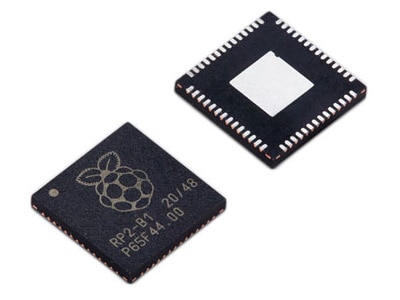
Raspberry Pi MCU
-
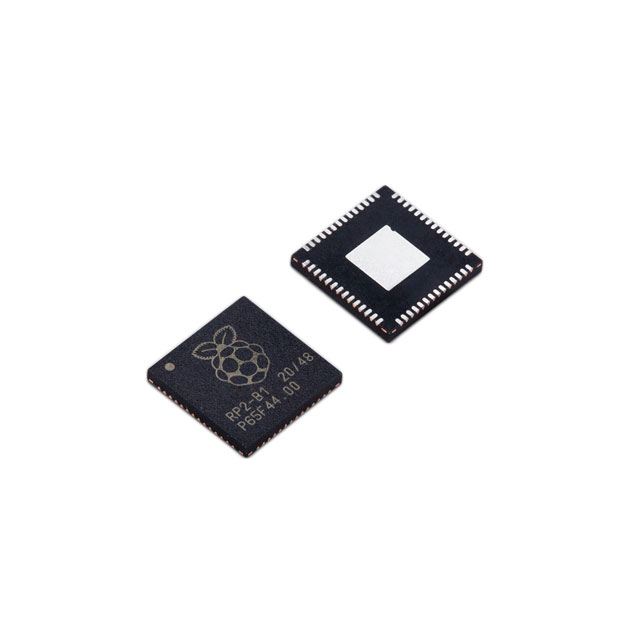
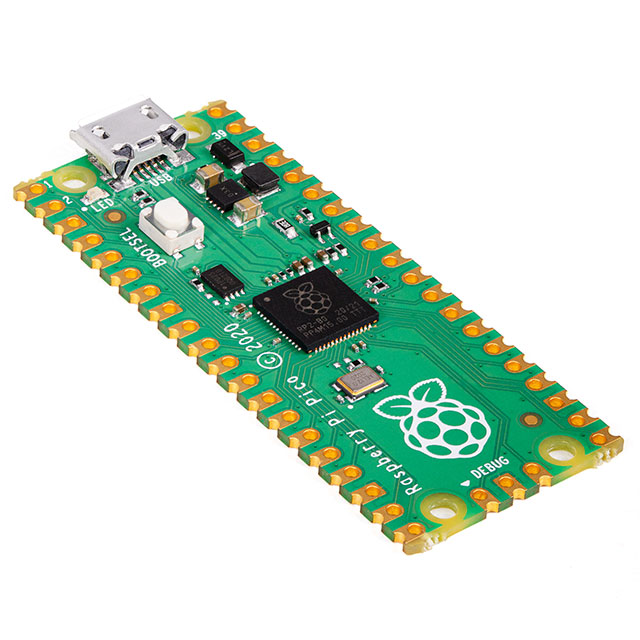
Raspberry Pi MCUs (microcontrollers), including the RP2040 and RP2350, bring Raspberry Pi’s signature values of high performance, low cost, and ease of use to the microcontroller space. Designed for versatility, Raspberry Pi MCUs feature rich peripherals, and a unique PIO (Programmable Input/Output) system, making them ideal for projects ranging from robotics to custom input devices. With comprehensive documentation, beginner-friendly programming in MicroPython and C/C++, and a UF2 bootloader in ROM, it offers the lowest barrier to entry for hobbyists and beginners, along with the power and versatility for advanced applications.
Getting Started
- Raspberry Pi Pico vs Arduino RP2040 Connect
- Getting Started with the Arduino RP2040 Connect and the Arduino IDE
- Pico / Pico W Documentation
- RP2040 Product Brief
- RP2040 Documentation
Learn to Code
- Raspberry Pi Pico and RP2040 - MicroPython Part 1: Blink
- Raspberry Pi Pico and RP2040 - MicroPython Part 2: I2C Sensor and Module
- Raspberry Pi Pico and RP2040 - MicroPython Part 3: PIO
- Pico C/C++ Development Using Windows
- Raspberry Pi Pico and RP2040 - C/C++ Part 1: Blink and VS Code
- Raspberry Pi Pico and RP2040 - C/C++ Part 2 Debugging with VS Code/a>
- Raspberry Pi Pico and RP2040 - C/C++ Part 3: How to Use PIO
- Raspberry Pi Pico (RP2040) I2C Example with MicroPython and C/C++
- Raspberry Pi Pico (RP2040) SPI Example with MicroPython and C/C++
- Raspberry Pi Pico (RP2040) SD Card Example with MicroPython and C/C++
- Getting Started with Python on the Arduino RP2040 Connect
Other Resources
- Raspberry Pi RP2040 Datasheet
- What is MicroPython?
- Raspberry Pi Pico C/C++ SDK
- Hardware Design with the RP2040 Part 1: Schematic
- Hardware Design with the RP2040 Part 2: PCB Layout
- Hardware Design with the RP2040 Part 3: Soldering and Testing
- Hardware Design with the RP2040
- Tutorials from Raspberry Pi
- XRP (Xperiential Robotics Platform)
Products