


 Configuración
 Entrega rápida
 Entrega Gratis
 Incoterms
 Tipos de pago


 Producto del mercado


NXP Security Solutions
Enable compliance and resilience with trusted security, tailored to your needs
Security must be designed in from the start—and sustained across the entire product lifecycle. With regulations such as the EU Cyber Resilience Act (CRA) raising the bar for cybersecurity, embedded designers need a clear way to establish trust at the silicon level and maintain it over time.
NXP EdgeLock® security provides a hardware‑based foundation that enables secure embedded designs from first boot through deployment and in‑field operation. Built on hardware roots of trust, EdgeLock technologies help protect critical security functions while supporting secure boot, device identity, protected communications, and runtime integrity across NXP MCUs, MPUs, and secure elements.
Combined with security enablement tools, lifecycle services, and certification‑ready capabilities, EdgeLock helps engineers right‑size security to their application, reduce integration effort, and support CRA‑aligned requirements for secure design, vulnerability handling, and long‑term resilience.
- Hardware Foundation
- Security Technologies
- Enablement
- Certifications and Compliance
EdgeLock® Security Built Across the NXP Portfolio: Embedded Protection for Every Design

i.MX 91 Series Applications Processors
NXP energy-efficient applications processors bring essential Linux® capabilities for thousands of Edge applications.

i.MX 93 Applications Processors
NXP's power-efficient applications processors feature AI acceleration and advanced security for next-gen edge computing, now featuring the FRDM-IMX93 development board.

i.MX 8ULP Applications Processor
NXP's applications processor features ultra-low-power processing, real-time domain, and advanced security for connected Edge computing.

i.MX 95 Applications Processor
The i.MX 95 applications processor family delivers safe, secure, power efficient edge computing for use in aerospace, automotive edge, commercial IoT, industrial, medical and network platforms.

i.MX RT1180 Crossover MCUs
i.MX RT1180 is a crossover MCU with a Gb time-sensitive networking (TSN) switch, enabling real-time networking for both TSN-based and industrial real-time communications.

i.MX RT500 Crossover MCUs
Dual-core devices featuring an Arm® Cortex®-M33 and Cadence® Xtensa® Fusion F1 DSP, designed for low power wearable and consumer IoT applications.

i.MX RT600 Crossover MCUs
Dual-core devices featuring an Arm® Cortex®-M33 and Cadence® Xtensa® HiFi4 Audio DSP CPU designed for audio, voice and consumer IoT applications.

i.MX RT700 Crossover MCUs
Features up to five computing cores designed to power smart AI-enabled edge devices such as wearables, consumer medical, smart home and HMI devices.

MCX N Series Microcontrollers
MCX N series are high-performance, low-power microcontrollers with intelligent peripherals and accelerators, providing multitasking capabilities and efficient performance.

MCX E24X Series Connected MCUs
MCX E24 series supports robust operation at 5.5 V for electrically noisy environments and features a 112 MHz Arm® Cortex®-M4F core with up to 2 MB Flash and 256 KB SRAM.
MCX E31 Microcontroller
MCX E31 microcontroller (MCU) is designed for developers creating highly reliable and safe industrial IoT (IIoT) applications.

MCX W Series Microcontrollers
NXP’s microcontrollers offer narrowband connectivity for point-to-point and networked communications.

RW61X Wi-Fi 6 Tri-Radio
RW61x Tri-Radio MCUs and MCX W multiprotocol MCUs offer developers a complete solution for wireless IoT.

LPC5500 Series
The LPC5500 MCU series leverages Arm’s most recent Cortex®-M33 technology, combining significant product architecture enhancements, greater integration and advanced security over previous generations.

EdgeLock® SE050
The EdgeLock SE050, part of the Certified EdgeLock Assurance program, is designed to meet industry standards and follows NXP's security-by-design approach. It has been certified by an independent lab.

EdgeLock® SE052
With the EdgeLock SE052F, devices targeting smart city, smart factory, healthcare and other industrial use cases can provide highly secure functionality while complying with the latest FIPS requirements.
Hardware-anchored security with optional crypto acceleration
Secure development tools and resources
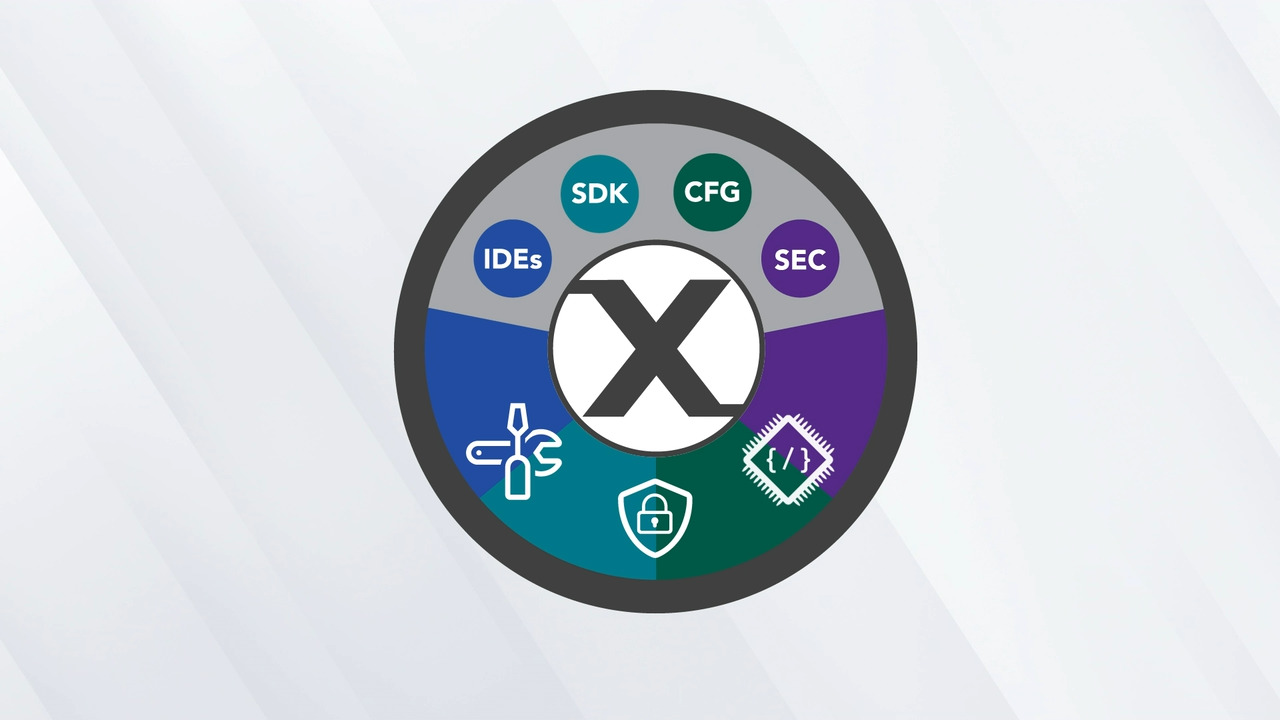
MCUXpresso Suite of SW & Tools
The MCUXpresso SDK, IDEs, secure provisioning and configuration tools provide a leading developer experience, speeding up development time with high-quality software and tools for general purpose Arm® Cortex®- M-based products from NXP.
Software Development Kits
The MCUXpresso SDK is a comprehensive software enablement package designed to simplify and accelerate application development with Arm® Cortex®-M based devices from NXP, including its general purpose, crossover and wireless-enabled MCUs.
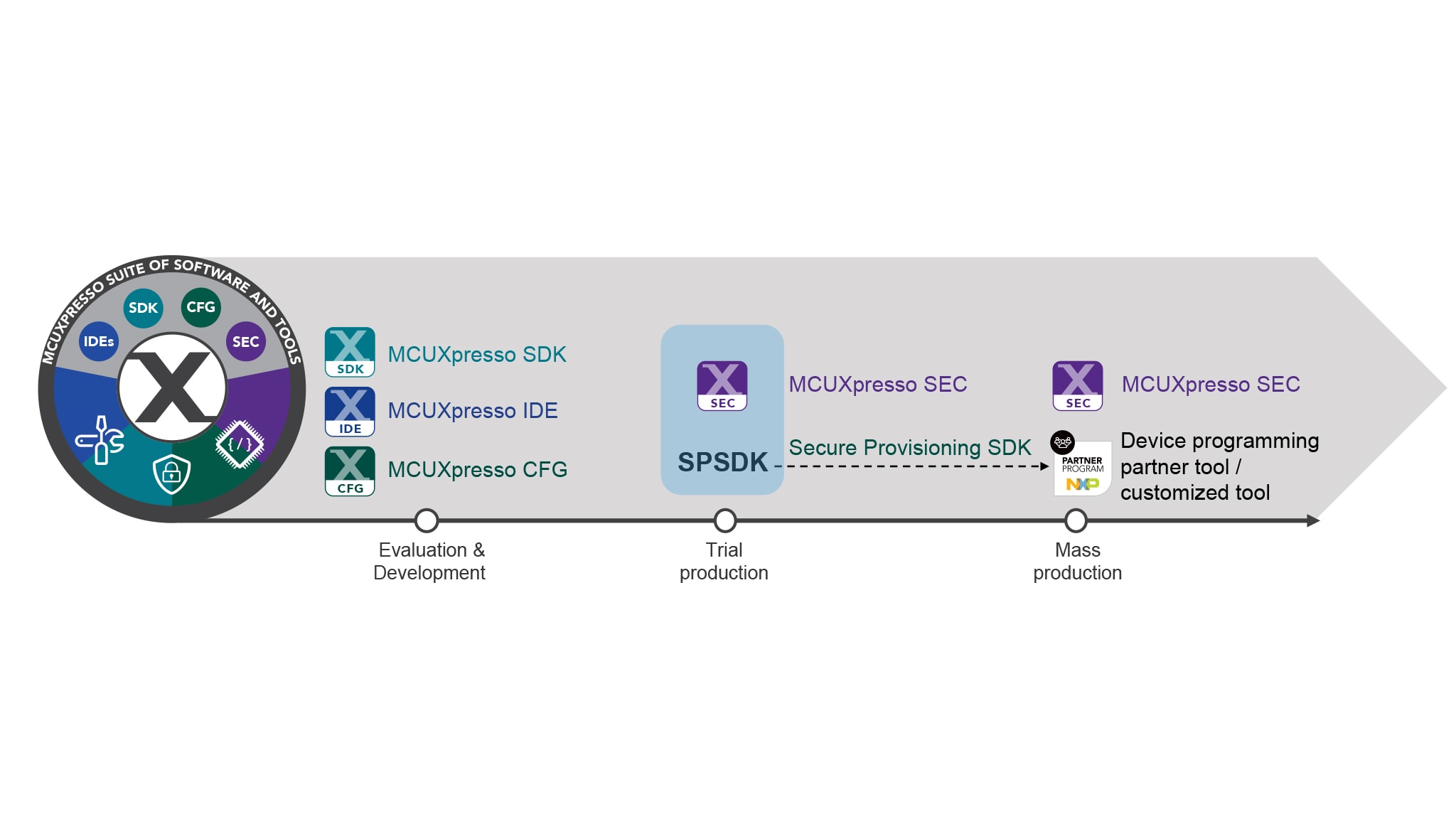
Secure Provisioning Tool
The MCUXpresso Secure Provisioning Tool is a GUI-based application provided to simplify generation and provisioning of bootable executables on NXP MCU devices.
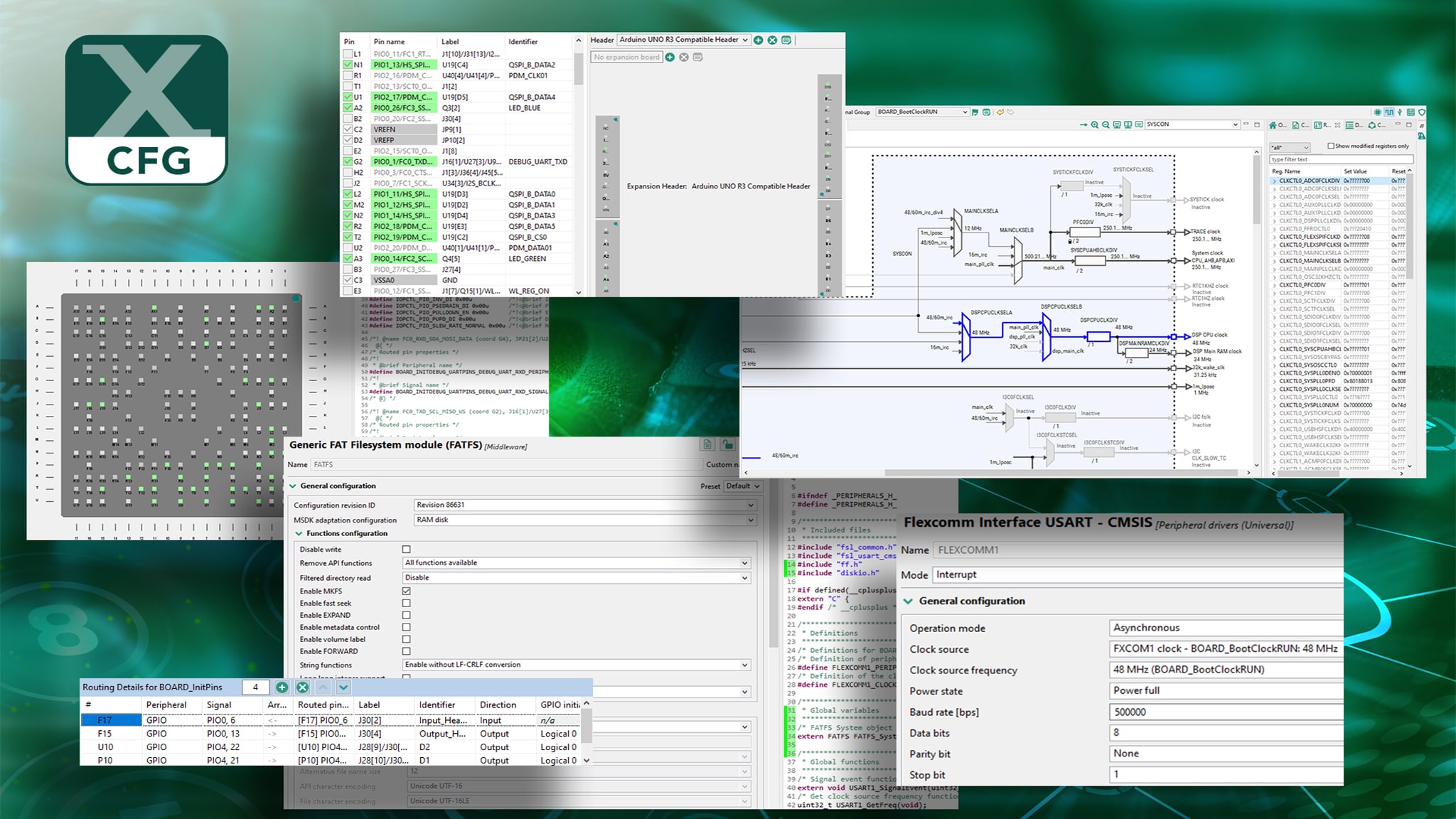
Configuration Tools
MCUXpresso Config Tools, an integrated suite of configuration tools, is designed to guide customers from first evaluation to production software development.
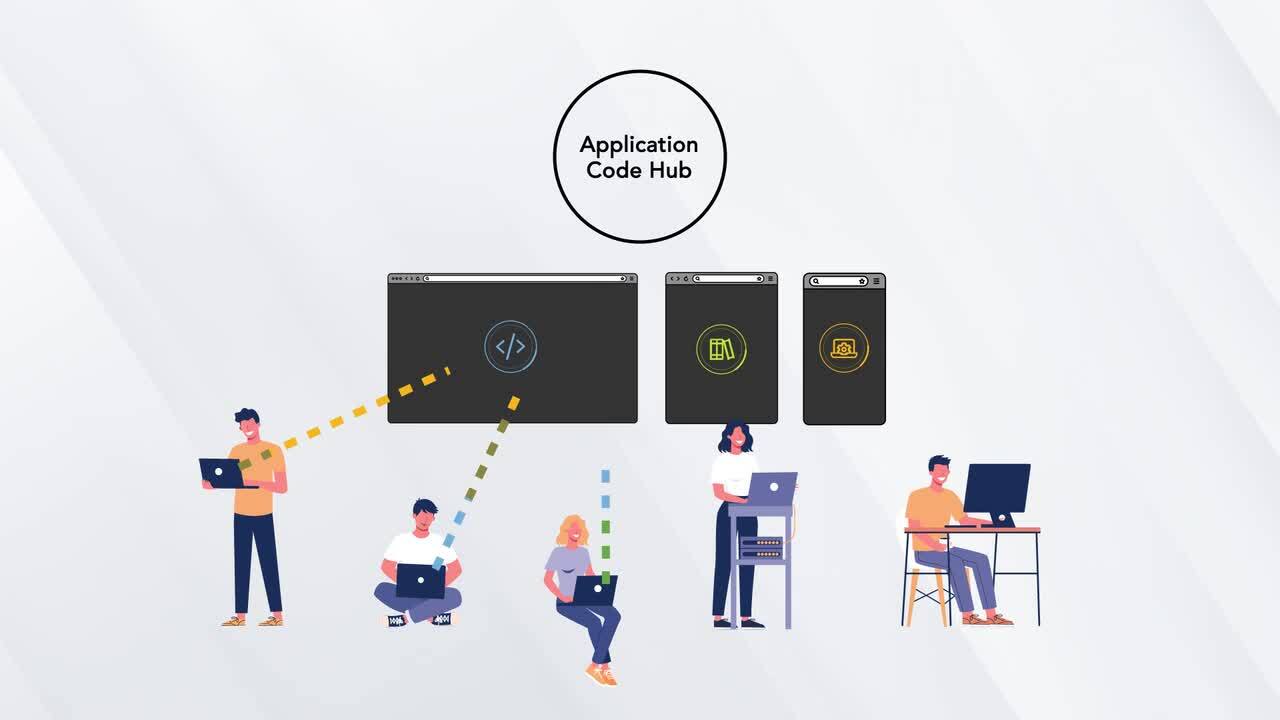
Application Code Hub
The Application Code Hub (ACH) repository enables engineers to easily find software examples, Zephyr applications and demos for microcontrollers and microprocessors.
Secure Provisioning SDK
NXP provides MCUXpresso Secure Provisioning (SEC) and Secure Provisioning SDK (SPSDK) for trial run and mass production use. Both SEC tool and SPSDK support secure programming and device provisioning on NXP’s microcontrollers and i.MX 9 applications processors at the production stage.

GoPoint for Streamlined Linux Development
Streamline your Linux development with GoPoint for i.MX Application Processors. GoPoint is an intuitive interface that provides developers with easy access to application-specific demos for i.MX processors.
Application Code Hub
The Application Code Hub (ACH) repository enables engineers to easily find software examples, Zephyr applications and demos for microcontrollers and microprocessors.
The EdgeLock SE05x Plug & Trust middleware package offers easy integration with different MCUs and MPUs simplifying design-in and reducing time-to-market.
In addition, the GitHub software packages are derivatives of the full Plug & Trust middleware package for specific use cases. For development purposes still look at the full package as well as it contains large amounts of examples, tools and additional documentation.
- The Plug and Trust middleware mini package is a subset of the Plug & Trust middleware for Linux use
- The Plug and Trust middleware nano package is a minimalistic version of the Plug & Trust middleware optimized for constrained devices. It also provides an integration with Zephyr OS and an example of Qi 1.3 authentication
EdgeLock SE05x Plug & Trust Middleware Package
Easy Integration with different MCUs and MPUs
Plug and Trust Github
Github Software Packages
Plug and Trust Middleware Mini Package
Subset of the Plug & Trust middleware for Linux use
Plug and Trust Middleware Nano Package
Minimalistic version of the Plug & Trust middleware optimized for constrained devices
NXP simplifies compliance while reducing the complexity of security implementation
Featured Resources
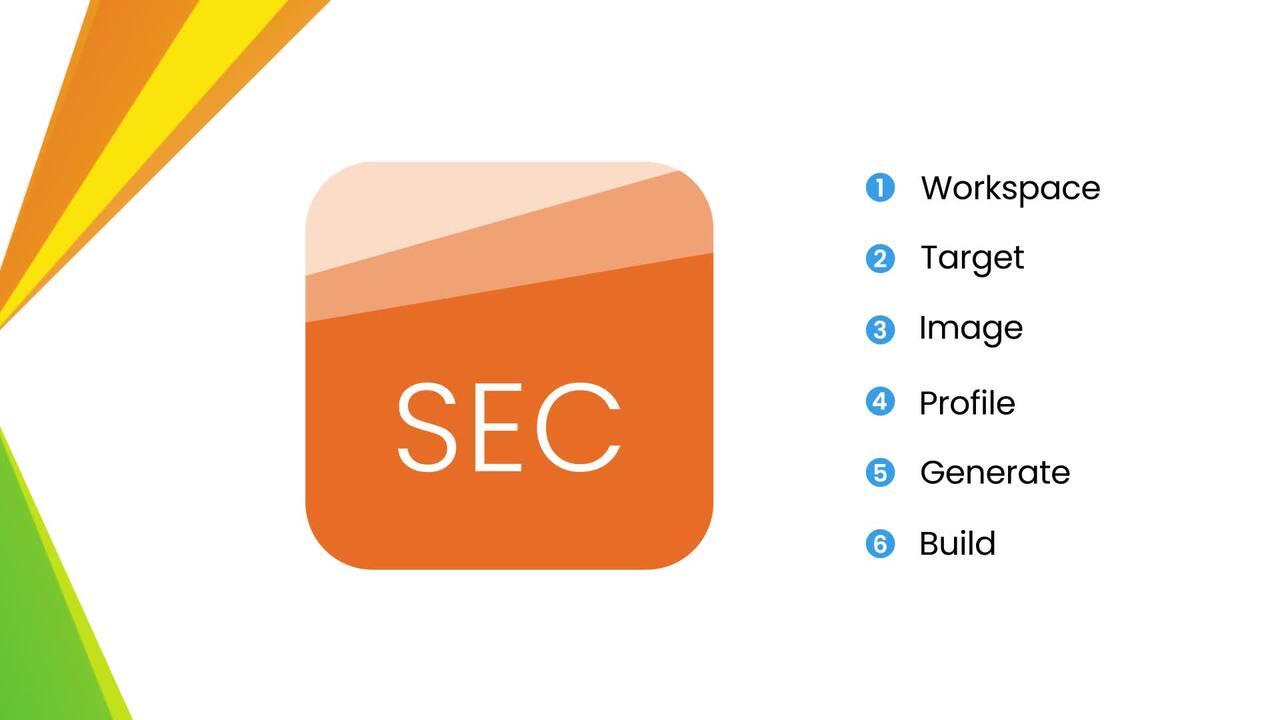
Six Steps to Secure Your IP with MCUXpresso SEC
This video explains the importance of IP protection and malware prevention in embedded development. Discover how NXP’s MCUXpresso SEC Tool enables secure bootloader setup in six simple steps.

Cyber Resilience Act (CRA): What it Means for Manufacturers
This video provides an overview of the Cyber Resilience Act (CRA)—a new EU regulation governing digital products—and explains how NXP’s MCX family helps manufacturers meet its requirements. It covers the CRA’s objectives, product categories and conformity obligations.
Secure Boot: Ensuring Trusted Software
This video covers the fundamentals of Secure Boot in embedded systems, showing how it ensures that only trusted, authorized software can run on a device. It explains the roles of authenticity and integrity, how digital signatures and hash functions work, and the practical steps involved in signing and verifying firmware.
FAQ
Even though no company can formally claim CRA conformance yet (notified bodies are not accredited), the CRA explicitly recognizes SESIP-, PSA- and Common Criteria-certified products as ready for conformance.In practice, these certifications, combined with our EdgeLock Assurance program and our IEC 62443 / ISO 21434-certified development processes, already provide customers with the level of assurance expected under the CRA and position NXP as a low risk, CRA ready supplier.
A product must comply with the CRA if all three conditions are met:
- It is a product with digital elements (hardware/software that processes, stores, or transmits digital data)
- It has direct or indirect logical or physical connectivity
- It is placed on the EU market (sold or made available as part of a commercial activity)
Additional guidance: The European Commission has published detailed technical descriptions for “Important” and “Critical” product classes under the CRA (Implementing Regulation (EU) 2025/2392), helping manufacturers determine whether their product falls into a higher risk category requiring stricter conformity assessment.
All categories meet the same essential cybersecurity requirements, but the proof mechanism differs:
- Default category: Self assessment
- Important Class I: Self declaration (if harmonized standards are applied)
- Important Class II: Third party conformity assessment
- Critical: EU certification (e.g., EU Common Criteria)
Secure Boot is essential, but not sufficient on its own for CRA compliance. Secure Boot contributes to protecting software integrity, which is required by the CRA, but CRA compliance also requires additional capabilities such as:
- Secure configuration
- Data protection
- Secure updates
- Access control
- Monitoring
- Vulnerability handling
- Lifecycle security processes
Each requirement must be addressed based on a product level risk assessment, and manufacturers must justify any measures that are not implemented.
CRA conformance means demonstrating that a product meets the Essential Cybersecurity Requirements of the Cyber Resilience Act and is therefore eligible for the CE mark, which is required for selling products in Europe.To achieve CRA conformance, manufacturers must:
- Conduct a risk assessment covering all essential cybersecurity requirements and justify how each requirement is implemented (or why it is not applicable).
- Implement a vulnerability management system and maintain a complete SBOM.
- Perform a conformity assessment and keep all supporting evidence for up to 10 years after placing the product on the market.
- Provide users with information on residual risk, intended use, support conditions, and vulnerability-handling processes.
- Prepare full technical documentation (standards, tests, evidence).
- Sign the Declaration of Conformity (DoC) and affix the CE mark.
- A product can only be considered CRA conformant when all these steps have been fully completed.






 España